Checking Portion Conversions Before You Start Cooking

Before scaling a recipe, read through the ingredient list once and look for anything that will not convert cleanly. The problem is not always the big ingredients. It is often the small ones: eggs, baking powder, yeast, salt, spices, or anything measured in halves and thirds.
Some ingredients are easy to adjust by feel. A little extra broth, herbs, or seasoning can usually be corrected later with tasting. But baking ingredients are less forgiving. Too much baking powder, too little yeast, or an awkward egg conversion can change the texture, rise, and structure of the dish.
It helps to write the adjusted amounts before starting. That way, there is time to decide whether something should be rounded, measured more carefully, or handled another way. For example, instead of trying to use “half an egg” in the middle of cooking, beat the egg first and measure out half by volume.
Doing the math early keeps the recipe from turning into guesswork halfway through. Once the stove is on or the batter is mixed, fixing a bad conversion becomes much harder.
Matching Tool Capacity to the Scaled Recipe
Scaling a recipe is not just about multiplying the ingredients. The pot, pan, or baking dish has to match the new amount too. A recipe that works neatly in a small dish can behave very differently once it is doubled or tripled.
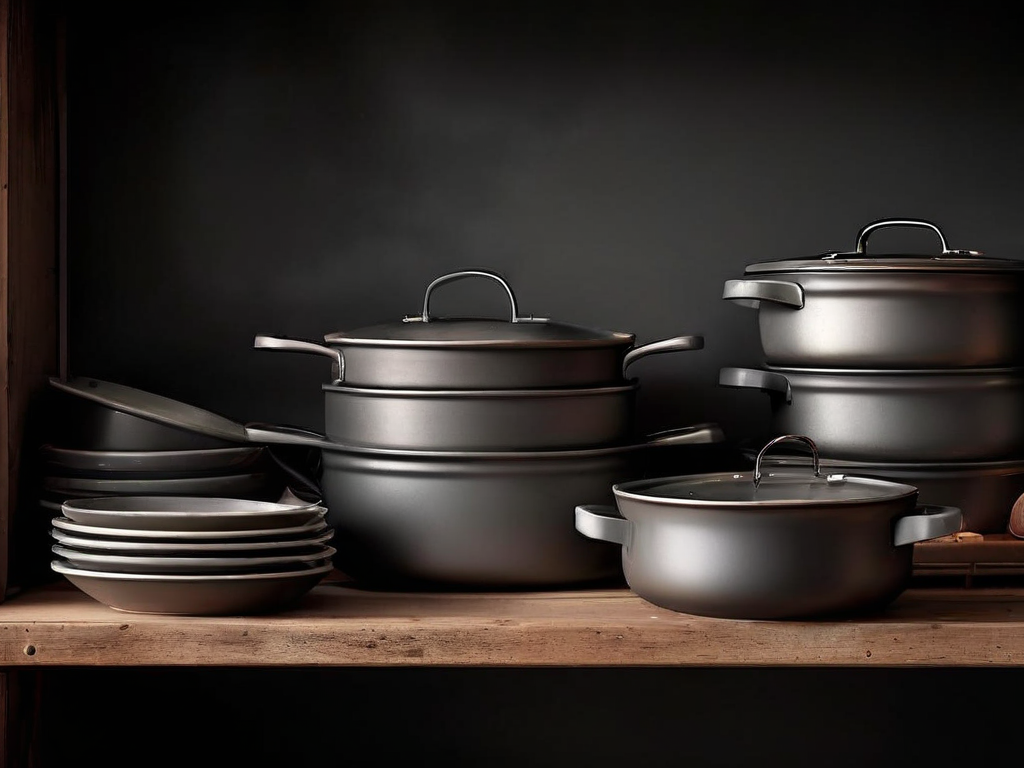
Before cooking, compare the new volume with the largest pot or baking dish available. If the food will fill more than about two-thirds of the container, it is usually better to split it into two pans or cook in batches. That extra space matters because food needs room to stir, bubble, rise, or brown properly.
Baked dishes are especially sensitive to this. A casserole that bakes evenly in an 8-inch dish may cook more slowly if it is piled too deep in a larger pan. The top may brown before the center is done, or the middle may stay wet longer than expected. A wider dish can also change the texture because more surface area means faster evaporation.
On the stovetop, overcrowding creates its own problems. Too much sauce in a small pan heats unevenly, takes longer to reduce, and can scorch near the edges before the middle catches up. Stirring also becomes messier when the pot is nearly full.
Checking capacity before starting prevents the awkward mid-recipe rescue: moving hot food into another pan, dividing batter after it is mixed, or guessing a new cook time under pressure. If the scaled amount looks too large, plan for two dishes from the beginning. The cooking will be more even, and the final result will be much more predictable.
Using a Digital Tool to Avoid Math Errors
Straight doubling is manageable, but odd multipliers like 1.5 or 2.25 introduce fractions that are easy to miscalculate under time pressure. A digital recipe scaling tool lets you enter the original servings and the target servings, then outputs every ingredient in the correct amount. This removes the mental load of converting three-quarters of a cup into tablespoons or figuring out half of one-third teaspoon.
Once the tool gives you the scaled list, double-check one or two ingredients that you know are critical to the dish. For example, the original recipe may call for one teaspoon of salt, and the tool may say 2.67 teaspoons for your target, so you can decide whether to round to two and a half or three based on your preference. The tool saves time, but your judgment about seasoning and texture still matters for the final result.
| What to Check | Where to Look | Next Action |
|---|---|---|
| Original serving count | Top of the recipe card or page | Enter the exact number into the scaling tool before adjusting |
| Target serving count | Your planned number of eaters | Use the tool to generate a new list, then compare it to the original |
| Ingredient with fractions | Scaled output list | Read the decimal or fraction conversion; if unsure, weigh the ingredient instead |

Tasting and Adjusting After Scaling
Even when the math is correct, a scaled recipe may still need a little adjustment at the end. Food does not always behave like a spreadsheet. More liquid, a deeper pan, or a different cooking surface can change how the final dish tastes and cooks.
With soups, sauces, stews, and chili, taste near the end before making big changes. A larger batch may need more salt, spice, or acid than expected, but add it slowly. A small pinch of salt, a splash of vinegar, or a little extra chili powder is easier to control than dumping in a full extra amount at once.
For baked goods, tasting is not always possible before the finish, so watch the doneness instead. A halved cake or thinner batch of brownies may bake faster than the original recipe says. A doubled recipe in a deeper pan may need more time. Start checking a few minutes early with a toothpick, skewer, or gentle press in the center.
It also helps to write down what changed. For example, note if the doubled soup needed extra salt, if the casserole took ten minutes longer, or if the smaller cake browned too quickly. These notes are small, but they make the next scaled batch much easier.
Scaling gets better with practice. The recipe gives the starting point, but the final taste and texture still need a quick human check before serving.